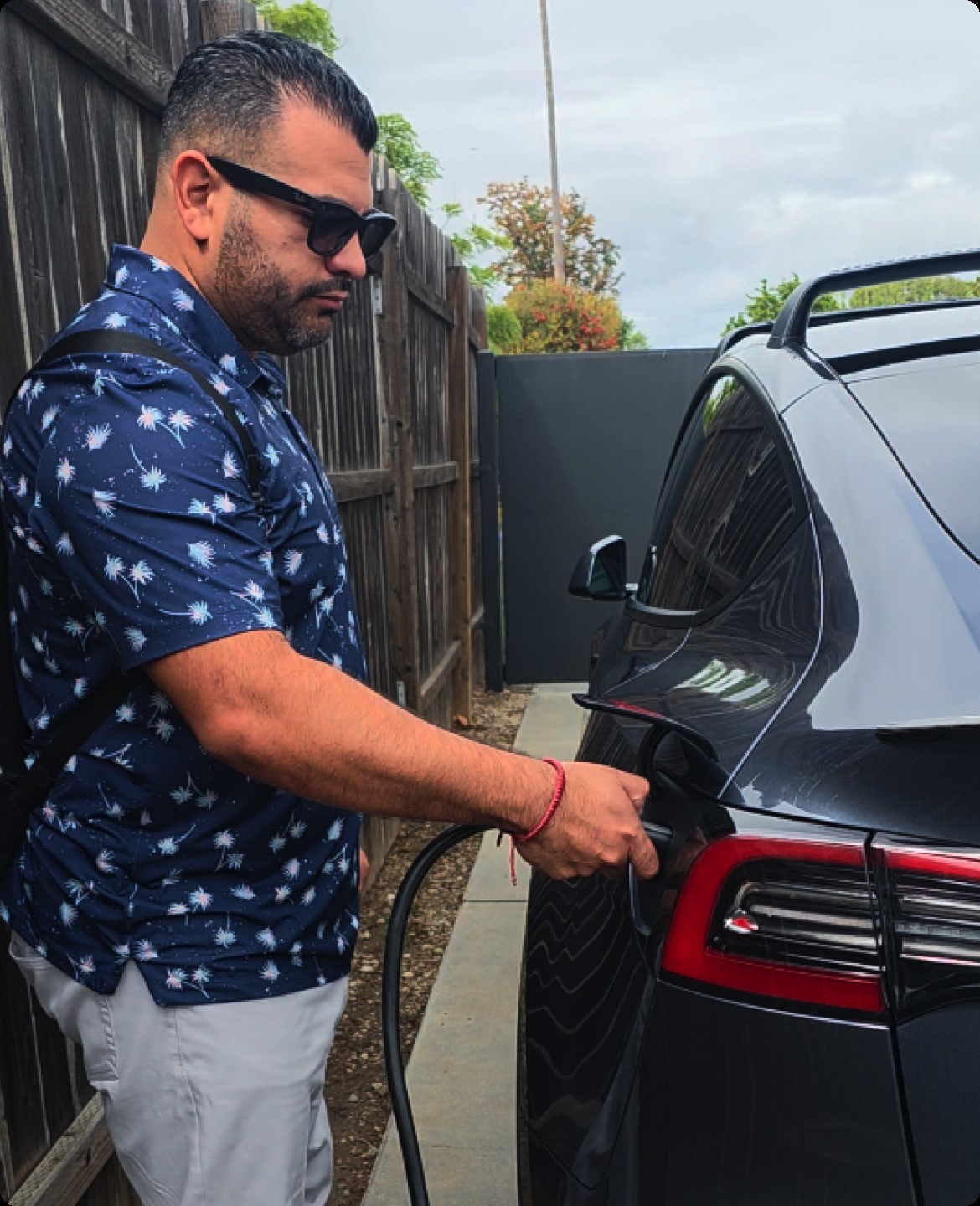
How Danny powers his commute

How Danny powers his commute

Danny U.

Age: 38 • Los Angeles, CA • Real Estate Broker

“I used to plan around gas all the time. Now I charge at home for $18 a week and I’m good to go.”

Danny is a real estate broker in Los Angeles. He works out of his car — showings, meetings, errands, long stretches of parking-lot work between appointments. Gas was never a line item he thought much about until he added up four years of it and compared it to four years of not having to worry about it.

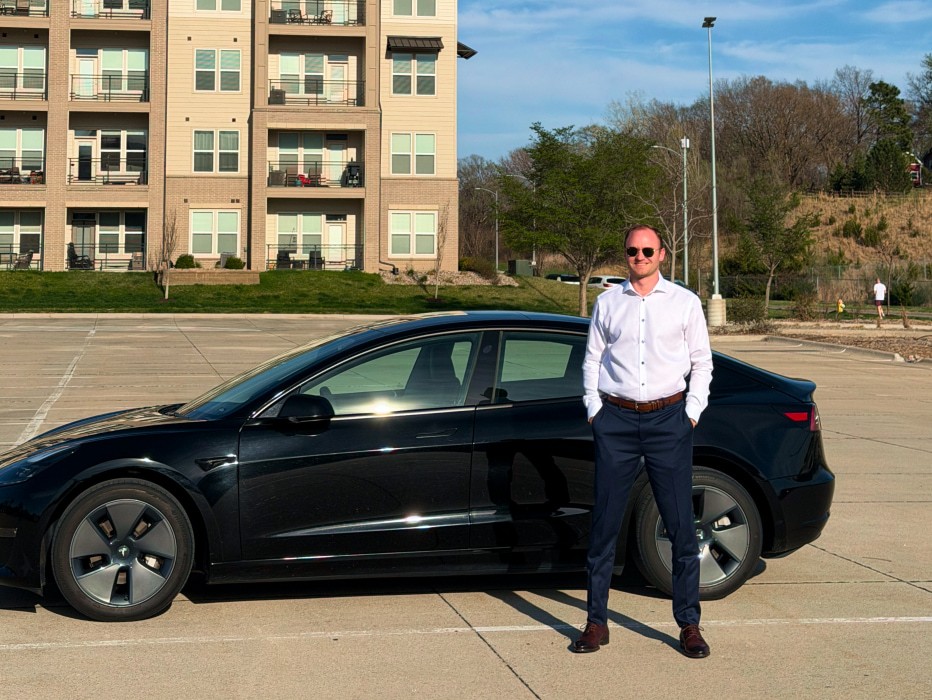
He drives a 2022 Tesla Model Y Performance. Home solar covers most of his charging cost. He plugs in overnight, starts every morning fully charged, and puts down 50 to 150 miles in a typical work day without ever planning around gas. “I go from showing to showing without stopping,” he says. “My EV just keeps me going.”

What surprised him wasn’t just the savings — though skipping gas alone adds up to $3,000 a year — it was the time he saved. No oil changes. No smog checks. No gas stops between showings. “In L.A. traffic, the self-driving features are a total game changer,” he says. “It keeps my drive simple and way more relaxed.”

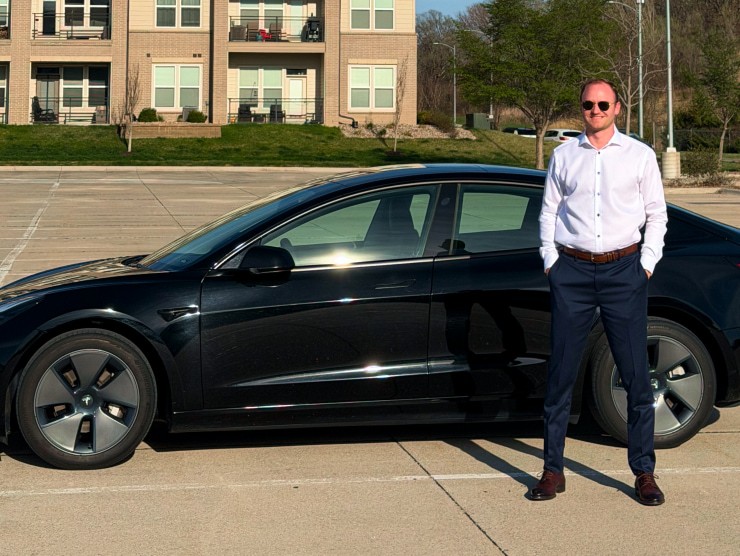
Danny with his Tesla Model Y Performance

Four years in, Danny has zero interest in going back. The next car will also be electric. “It’s a great experience,” he says. “I’ll most likely make another EV purchase when it’s time.”

His advice for anyone on the fence is short: "Don’t overthink it."

50-150

Miles driven most work days

4 years

of EV life

Solar

Powers most charges

  • 150 Mile Daily
    EV Commute

    Maintance Savings

    Maintance Savings

    Maintance Savings

  • 150 Mile Daily
    EV Commute

    Busy Days with My EV

    Maintance Savings

    Maintance Savings

  • 150 Mile Daily
    EV Commute

    Maintance Savings

    Everyday EV Range

    Maintance Savings

  • 150 Mile Daily
    EV Commute

    Maintance Savings

    Maintance Savings

    EV Cost Savings

  • 150 Mile Daily
    EV Commute

    Maintance Savings

    Maintance Savings

    Maintance Savings

  • 150 Mile Daily
    EV Commute

    Busy Days with My EV

    Maintance Savings

    Maintance Savings

  • 150 Mile Daily
    EV Commute

    Maintance Savings

    Everyday EV Range

    Maintance Savings

  • 150 Mile Daily
    EV Commute

    Maintance Savings

    Maintance Savings

    EV Cost Savings

On four years in an EV:

“Skipping gas saves me up to $3,000 a year and a ton of time. That’s a total game changer for me.”
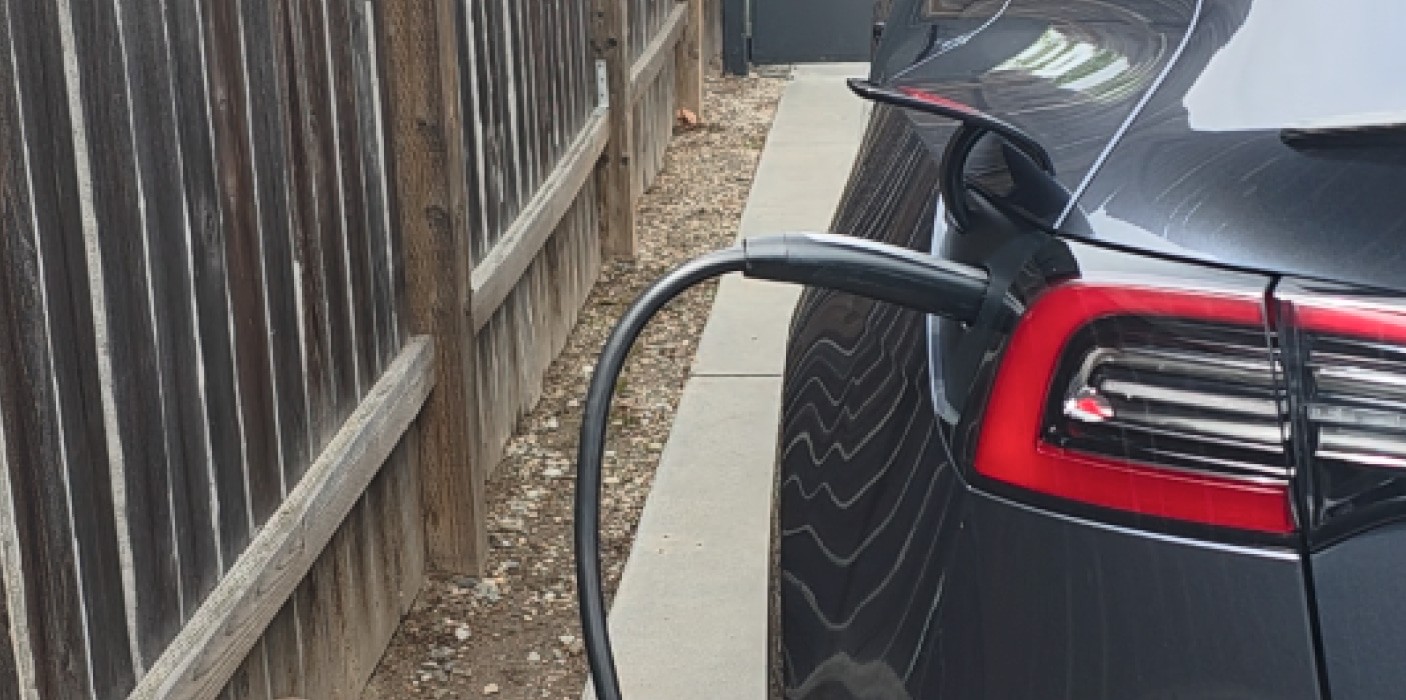
Find a Charger Near You

A live map of public, workplace, and fast chargers across the country. Search by ZIP or current location to see what's available in your area.

New EVs & Incentives

Real new models, real prices, real incentive savings — all in one place. See what fits your budget after federal, state, and utility rebates.

More real stories from real drivers. Find someone like you.

 #DailyCommuter #HighMileage

“I used to plan around gas all the time. Now I charge at home for $18 a week and I’m good to go.”

#ApartmentDweller #Incentives

"You don't need to own a home to own an EV. I just plug in at my apartment."


#UsedEV #BudgetBuyer

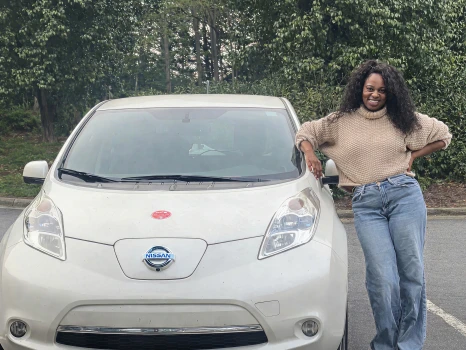
“My 2013 Nissan Leaf was $3,000, eliminating all car payments. It’s actually the cheapest car I’ve ever owned, gas or electric.”

#Multigenerational #FamilyLife

"Our car is in constant rotation. Sometimes I use it, sometimes my daughter or my son-in-law does. Different schedules, different plans, no stress."

#Outdoors #RoadTrips

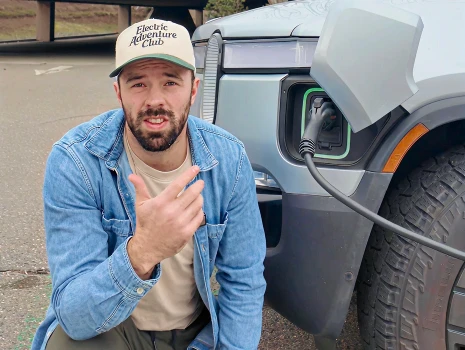
“Trails, parks, camping nights in the truck bed. It’s not just going from point A to point B. It’s the freedom to keep going.”

#FamilyManager #FamilyBudget

"My EV savings with my family budget has been super helpful."


 #DailyCommuter · #HighMileage

“I used to plan around gas all the time. Now I charge at home for $18 a week and I’m good to go.”

#UsedEV #BudgetBuyer

“My 2013 Nissan Leaf was $3,000, eliminating all car payments. It’s actually the cheapest car I’ve ever owned, gas or electric.”

#Outdoors #RoadTrips

“Trails, parks, camping nights in the truck bed. It’s not just going from point A to point B. It’s the freedom to keep going.”

#Multigenerational #FamilyLife

"Our car is in constant rotation. Sometimes I use it, sometimes my daughter or my son-in-law does. Different schedules, different plans, no stress."

#FamilyManager #FamilyBudget

"My EV savings with my family budget has been super helpful."

#ApartmentDweller #Incentives

"You don't need to own a home to own an EV. I just plug in at my apartment."


Frequently Asked Questions

How much does it cost to charge an EV at home?

Most drivers spend $30–60/month on electricity for a full charge every night. That’s roughly a third of what a typical gas car costs in fuel.

Do I need a garage to own an EV?

No. Millions of EV drivers charge at apartments, workplaces, and public stations. Many never charge at home at all.

How far can an EV go on a single charge?

Most new EVs get 250–400+ miles per charge. For daily driving, most people charge once or twice a week.

Can I take an EV on a road trip?

Yes. Fast-charging networks cover major highways. A typical stop takes 20–30 minutes — enough for coffee and a stretch.

Are used EVs a good deal?

Used EV prices have dropped significantly. Many 2–3 year old models still have 90%+ battery health and qualify for federal tax credits.

What incentives are available for EVs?

Federal tax credits up to $7,500, plus state and utility rebates that vary by location. Use our incentive finder to see what you qualify for.

Únete a #EléctricosParaTodos

Síguenos para conocer lo más nuevo en EV, consejos y testimonios.

Logo ElectricForAll White

© 2026 Veloz | Todos los derechos reservados.

© 2026 Veloz | Todos los derechos reservados.

La misión de Veloz, como organización sin fines de lucro, es educar al público de manera neutral sobre el estado actual de la tecnología de los vehículos eléctricos y su papel en la protección de un medio ambiente limpio y saludable. Veloz no respalda ni promueve a ningún fabricante de automóviles en particular y el contenido de este sitio no debe interpretarse como una recomendación comercial.

¹ El ahorro varía. Calcula el tuyo aquí. ² Ahorro anual estimado basado en precios promedio de la gasolina y el millaje. Los ahorros reales varían según los hábitos de manejo, costos de electricidad y modelo del vehículo. Usa nuestra calculadora para estimar sus ahorros. ³ Basado en un análisis de la industria sobre los componentes del tren motriz y los requisitos de mantenimiento. Los EV generalmente tienen menos partes móviles que los de gasolina, lo que reduce el mantenimiento rutinario. Los ahorros reales varían según la marca, el modelo y los hábitos de manejo. ⁴ Las estimaciones de autonomía varían según la marca, modelo y las condiciones de manejo. Muchos EV nuevos en el mercado actual ofrecen una autonomía estimada por la EPA de entre 240 y más de 400 millas con una carga completa.  ⁵ La velocidad de carga varía según el modelo del vehículo, el tamaño de la batería y las condiciones. Las estimaciones para cargadores de Nivel 2 se basan en cargadores domésticos típicos de 240 V. Las estimaciones de carga rápida en corriente directa (DC) reflejan condiciones óptimas utilizando infraestructura pública compatible. El rendimiento real puede variar.

Auto eléctrico blanco conduciendo por carretera hacia bosque y montañas bajo cielo despejado.

Únete a #EléctricosParaTodos

Síguenos para conocer lo más nuevo en EV, consejos y testimonios.

Política de Privacidad

Términos y Condiciones

Fuentes y Datos

© 2025 Veloz | Todos los derechos reservados.

La misión de Veloz, como organización sin fines de lucro, es educar al público de manera neutral sobre el estado actual de la tecnología de los vehículos eléctricos y su papel en la protección de un medio ambiente limpio y saludable. Veloz no respalda ni promueve a ningún fabricante de automóviles en particular y el contenido de este sitio no debe interpretarse como una recomendación comercial.

¹ Crédito fiscal federal de hasta $7,500 disponible para compradores elegibles de EV nuevos que califiquen. La elegibilidad y el monto pueden variar. Para más detalles, visita IRS.gov o consulta a un profesional de impuestos. ² Ahorro estimado basado en un análisis del costo total de propiedad que compara los EV y los autos de gasolina más populares durante su vida útil promedio. Los ahorros reales pueden variar según el modelo, precios de la gasolina, costos de mantenci y los hábitos de manejo. ³ Ahorro anual estimado basado en precios promedio de la gasolina y el millaje. Los ahorros reales varían según los hábitos de manejo, costos de electricidad y modelo del vehículo. Usa nuestra calculadora para estimar sus ahorros. ⁴ Basado en un análisis de la industria sobre los componentes del tren motriz y los requisitos de mantenimiento. Los EV generalmente tienen menos partes móviles que los de gasolina, lo que reduce el mantenimiento rutinario. Los ahorros reales varían según la marca, el modelo y los hábitos de manejo. ⁵ Las estimaciones de autonomía varían según la marca, modelo y las condiciones de manejo. Muchos EV nuevos en el mercado actual ofrecen una autonomía estimada por la EPA de entre 240 y más de 400 millas con una carga completa. ⁶ La velocidad de carga varía según el modelo del vehículo, el tamaño de la batería y las condiciones. Las estimaciones para cargadores de Nivel 2 se basan en cargadores domésticos típicos de 240 V. Las estimaciones de carga rápida en corriente directa (DC) reflejan condiciones óptimas utilizando infraestructura pública compatible. El rendimiento real puede variar.⁷ Crédito fiscal federal de hasta $4,000 disponible para compradores elegibles de EV usados que reúnan los requisitos. Aplican requisitos de ingresos y del vehículo. Visite IRS.gov o consulte a un profesional de impuestos para más detalles.